Indicator and Hazard Light Repairs
Indicators and hazard lights help other road users understand your intentions and recognise a stopped vehicle. If they flash unusually fast, work intermittently or fail altogether, contact Elite Brake & Mechanical in Springvale to discuss indicator and hazard light repairs. These faults can involve bulbs, lamp assemblies, switches, wiring or electronic controls, depending on the vehicle. Explaining exactly what happens, and when, helps the workshop understand your concern and discuss the appropriate next steps.
Understanding indicator and hazard light faults
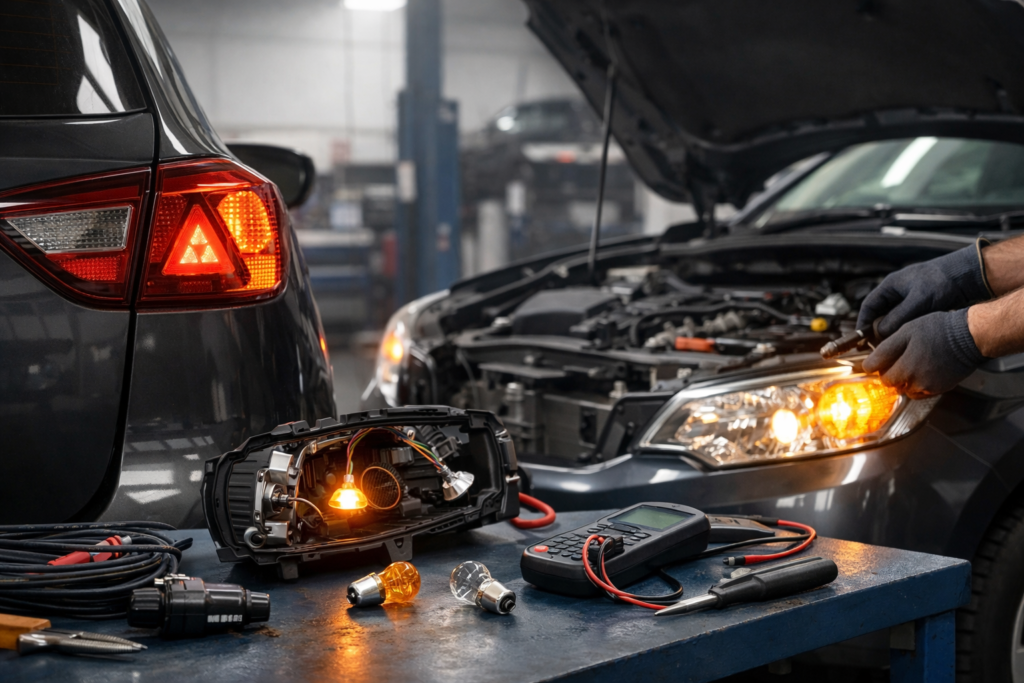
A fast-flashing indicator can point to a failed bulb or a change in electrical load, but the cause varies between vehicles. Other symptoms include one side not flashing, hazards operating while indicators do not, or dashboard arrows behaving differently from the exterior lamps. Water entry, damaged connectors and switch faults are also possible causes. Some vehicles use integrated LED lamps and electronic control modules rather than replaceable bulbs and a separate flasher relay. Avoid assuming that a bulb replacement will resolve every fault. When contacting Elite Brake & Mechanical in Springvale, mention which lights are affected, whether the problem is constant or intermittent, and any recent lighting changes or damage.
The repair scope depends on your vehicle and the symptoms. Confirm the following points with the workshop before authorising work.
Affected lamps and operating symptoms
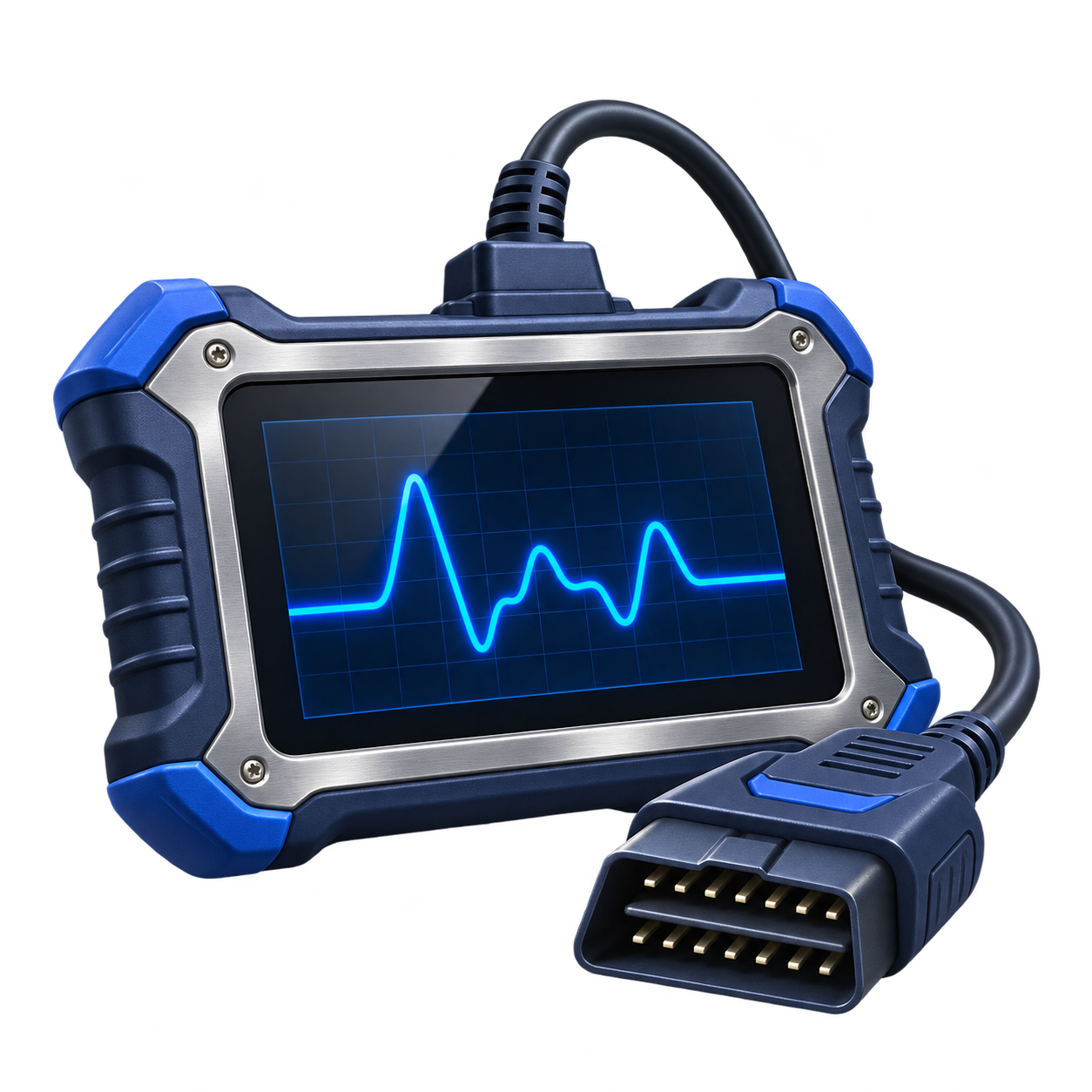
Discuss whether the concern affects front, rear or side indicators, the hazard lights, dashboard arrows, or several lights together. Ask what assessment is appropriate for those symptoms.
Bulbs and integrated LED assemblies
Ask whether your vehicle uses replaceable bulbs or integrated LED lamp units, and what repair or replacement options may apply if a lamp is faulty.
Switches, wiring and electrical controls
Confirm whether assessment of the indicator stalk, hazard switch, connectors, wiring or electronic controls is relevant to your concern and within the proposed scope.
Proposed repairs and associated costs
Request clarification of the recommended work, any parts required, assessment charges and how additional findings would be discussed before further work is authorised.
A clear plan for your visit.
Use these steps to explain the fault and agree on the next steps with the workshop.
Describe the lighting concern
Provide your vehicle details and explain which lights fail, flash quickly or operate intermittently. Mention whether the hazards and indicators behave differently.
Discuss assessment arrangements
Contact the workshop to confirm availability, any assessment charges and how to present the vehicle safely if its signalling lights are not working.
Review findings and proposed scope
Ask about the identified concern, recommended repair options, parts requirements and estimated costs before deciding which work to authorise.
Arrange the agreed work
Confirm the authorised scope and expected timing with the workshop. Ask how any changes to the proposed work or collection arrangements will be communicated.
Contact Elite Brake & Mechanical in Springvale to discuss your indicator or hazard light concern. Have your vehicle details and a description of the symptoms ready, and confirm assessment arrangements, costs and availability before booking.
Your questions, answered clearly.
Planning indicator and hazard light repairs in Springvale? These answers explain the service and help you prepare for your enquiry. Tell us your vehicle details, service history and any concerns so we can discuss the appropriate scope, availability and next step.
Visit our Springvale workshop at 33–35 Smith Road, Springvale VIC 3171.
Why is my indicator flashing faster than usual?
Fast flashing often relates to a failed bulb or an unexpected electrical load, including after some LED conversions. Wiring faults and vehicle-specific electronic controls can also be involved, so the symptom alone does not confirm the cause.
Why do my hazard lights work but my indicators do not?
Indicators and hazards share some components but can use different switching or control paths. A stalk, switch, circuit or control fault may affect one function without stopping the other. Tell the workshop exactly which functions still operate.
Can I drive with a faulty indicator or hazard light?
Faulty signalling lights can prevent other road users from understanding your intentions and may mean the vehicle does not meet roadworthiness requirements. Do not assume it is safe or legal to continue driving. Ask the workshop about suitable arrangements for getting the vehicle assessed.
How much will repairs cost and how long will they take?
Cost and timing depend on the fault, the vehicle's lighting system and any parts required. A bulb-related issue can have a different repair scope from a wiring or control fault. Confirm assessment charges, an estimate and expected timing directly with the workshop.
What if the fault only happens occasionally?
Note when it happens, which side is affected and whether weather, other lights or recent modifications seem connected. A short video taken while the vehicle is safely parked may help explain an intermittent symptom, although it does not replace assessment.
What information should I send before booking?
For indicator and Hazard Light Repairs, send your registration, make, model and a short description of what you need. Include relevant service records and when you first noticed the concern. Our Springvale team can use these details to discuss the appropriate appointment and what to bring.
Can I discuss other maintenance during the same visit?
Mention any other servicing or repair concerns when you enquire about indicator and Hazard Light Repairs. We can discuss which tasks may suit the same appointment, subject to vehicle suitability and workshop availability. Confirm the scope and quote for each item before work begins.